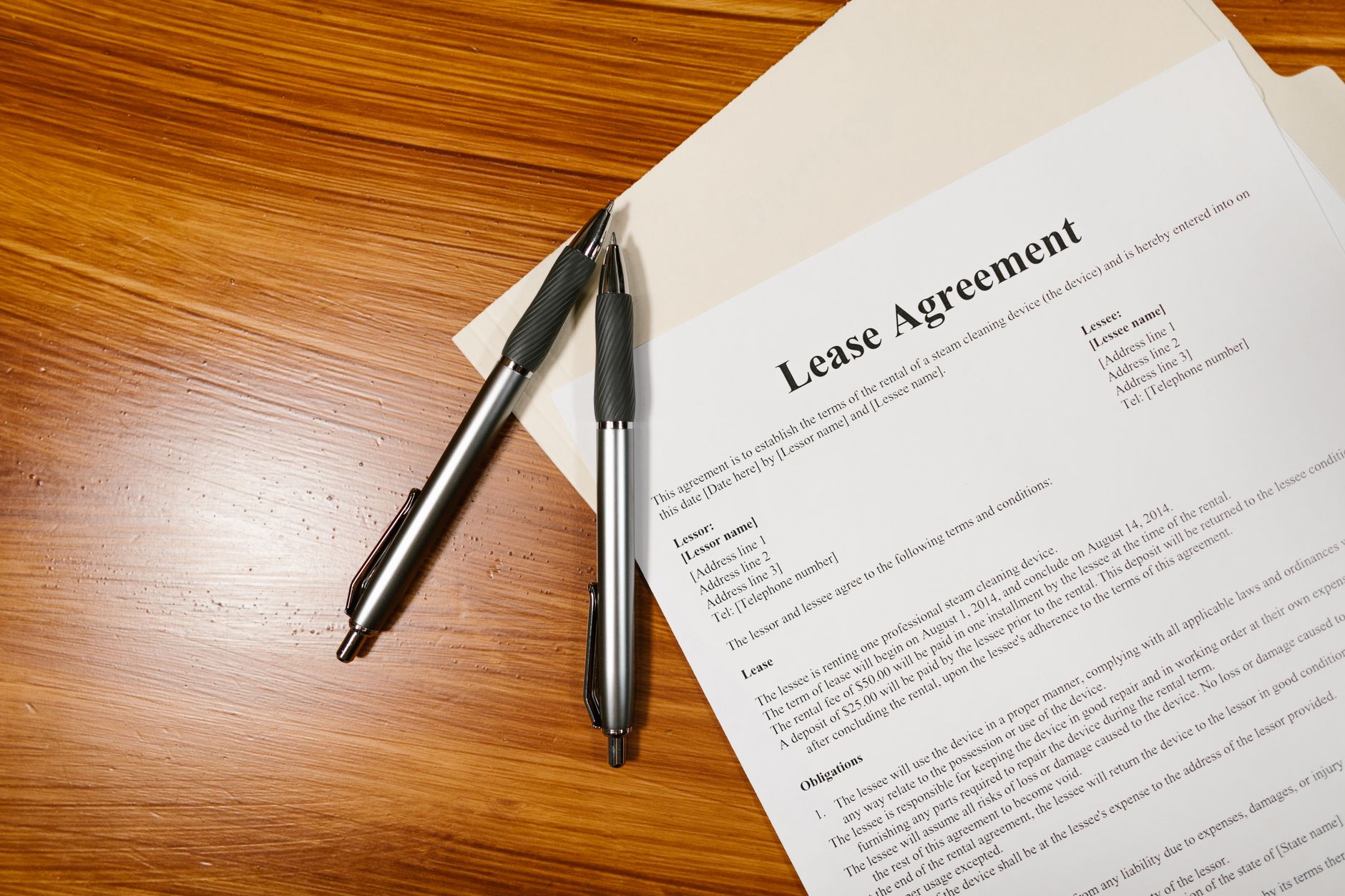
To verify a rent roll during NYC multifamily due diligence, cross-reference the seller's rent schedule against DHCR registration records, lease agreements, rent ledgers, and recent bank statements. Confirm rent-stabilized unit counts, legal regulated rents, and actual collections. Discrepancies of even 5-10% (nyc.gov) in stated rents can materially reduce a building's value and NOI projections.
What Does a Rent Roll Actually Tell You in NYC?
A rent roll is the financial skeleton of any NYC multifamily acquisition, but it is only as accurate as the seller's willingness to disclose complete information. At its most complete, a rent roll lists every unit by number, tenant name, lease start and end dates, current rent, security deposit held, any concessions granted, and current vacancy status. That unit-by-unit structure is not optional in NYC. Missing a single column, such as security deposit amounts or undisclosed free-rent periods, can obscure thousands of dollars in annual income adjustments. The rent roll is also the foundation for NOI calculation, cap rate analysis, and lender underwriting. At these levels, even a modest overstatement of gross income meaningfully inflates a building's indicated value. Treat the rent roll as a starting point, not proof of income. Every line on that spreadsheet requires independent confirmation before you can underwrite with confidence.
Market-Rate vs. Rent-Stabilized Units: Why the Distinction Matters
Almost half of all rental apartments in New York City are rent stabilized (nyc.gov), which means most multifamily buildings in Manhattan, Brooklyn, and Queens carry a mix of regulated and free-market units. The distinction is critical for income projections. Rent-stabilized units have annual increases set by the NYC Rent Guidelines Board, severely limiting near-term upside on regulated units. Market-rate units offer rent growth tied to leasing conditions but require stronger tenant screening and proactive lease management. Mixed portfolios require two entirely separate income projection models and different exit strategies. A value-add thesis that assumes aggressive rent growth across the whole building will collapse the moment a buyer discovers half the units are stabilized and legally capped.
How to Read a Rent Roll for Red Flags
Suspiciously round rent figures are a common tell. Identical lease start dates across several units suggest a fabricated document. Missing tenant names on occupied units are always a problem. Large gaps between in-place rent and market rent without any supporting documentation, such as an explanation of a preferential rent agreement or a long-term lease concession, are serious red flags that warrant immediate follow-up. The highest-risk errors in NYC specifically come from legal-unit classification issues and rent-regulation mistakes. A seller who lists a unit as market-rate when DHCR records confirm it is stabilized is not just presenting a pricing discrepancy. That misclassification carries potential legal liability, including retroactive rent overcharge claims; under New York's Rent Stabilization Law as amended by HSTPA 2019, treble damages — equal to three times the overcharge amount — are available only when the overcharge is found willful, and if the owner rebuts the presumption of willfulness, the penalty is limited to the overcharge amount plus interest.
Primary Documents Required to Verify a NYC Rent Roll
No single document closes the verification loop on its own. Thorough rent roll due diligence in NYC requires assembling a document stack that layers public records against private representations. The non-negotiable starting point is every signed lease, including all riders and amendments, for every occupied unit. Riders frequently contain rent abatements, landlord work obligations, or renewal option terms that the main lease body does not reflect. Beyond leases, buyers must request 24 months of rent ledgers to see actual collection patterns, 12 months of the seller's operating bank statements to corroborate deposit activity, and DHCR registration filings for all regulated units. Industry data suggests reveal deferred maintenance conditions that affect tenant retention. Per-unit insurance costs for NYC multifamily properties have risen sharply since 2019, but the increase varies significantly by segment: NYU's Furman Center found 150% for rent-stabilized units (2019–2025), NYHC found 103% for affordable housing units (2019–2023/24), and REBNY cited approximately 110% for income-restricted units; no single authoritative source supports a 109% figure as a citywide average across all multifamily. These cost pressures mean operating expense verification is inseparable from income verification.
How to Use DHCR Records to Confirm Registered Rents
DHCR, now operating as HCR (Homes and Community Renewal), maintains the official rent stabilization registry for New York State. The Rent Stabilized Building Search tool on the HCR website lets buyers confirm whether a specific address is registered and view filing history. For individual apartment rent histories, a buyer or their attorney submits Form REC-1 ('Request for Records Access') to HCR — by email to ORArecords@hcr.ny.gov or by mail to the DHCR Office of Rent Administration Records Access Unit — to obtain the complete rent registration record for a given unit. That record shows every legal registered rent going back years, often predating the current owner's acquisition. This matters because it establishes whether prior deregulations were legally valid under the HSTPA 2019 framework. Any discrepancy between the seller's stated rent and the DHCR-registered rent must be explained in writing before closing. Buildings that have not filed annual DHCR registrations face penalties and may have compromised stabilization records. Under the HSTPA of 2019, failure to file also exposes the building to tenant overcharge claims with a six-year lookback period from the date of the complaint for claims filed after June 14, 2019; moreover, where registration was never filed, the lookback period can extend beyond even six years, regardless of what the seller's documents say. This is one area where institutional guidance from HCR directly is significantly more authoritative than anything a broker's marketing package will tell you.
Why Estoppel Certificates Are Essential in NYC Acquisitions
Estoppel certificates are legally binding tenant confirmations of lease terms, rent amounts, security deposits held, and any disputes with the landlord. They prevent a seller from misrepresenting occupancy or economic terms that only the tenant can confirm. In NYC multifamily transactions, buyers should request estoppels on all occupied units, not just high-value ones. Prioritize any unit where the stated rent exceeds the market or where a lease expires within 12 months of closing. Any estoppel response that contradicts the seller's rent roll, whether on rent amount, deposit, free-rent periods, or alleged landlord defaults, is negotiation leverage. A material discrepancy triggers either a purchase price adjustment or a seller credit at closing equal to the economic impact of the corrected figure. Estoppels are also important in mixed-use buildings where commercial ground-floor tenants may have undisclosed rent reduction agreements or co-tenancy clauses that affect rent obligations.
Step-by-Step Verification Process for NYC Multifamily Rent Rolls
A structured verification process prevents the common error of reviewing documents in isolation. Here is the methodology our team at Penn Plaza Property follows for NYC multifamily acquisitions across Manhattan, Brooklyn, and Queens. Step 1: Obtain the seller's current rent roll in unit-by-unit detail, including lease expiration dates, security deposits, arrears by unit, and any disclosed concessions. Step 2: Pull HCR registration records for every unit claimed to be rent-stabilized and compare against the seller's roll line by line. Step 3: Request 24 months of rent ledgers and cross-reference with 12 months of bank statements to verify deposit activity matches claimed rent. Step 4: Review all leases for below-market riders, free-rent periods, personal guarantees, or informal side agreements not reflected in the main lease body. Step 5: Issue estoppel certificates to all tenants and reconcile every response against the seller's representations. Step 6: Confirm vacancy status through HPD building registration, utility account name checks, or a physical walk-through of every vacant unit. Step 7: Calculate effective gross income using actual collected rents, not legal registered rents, for underwriting purposes.
How Does HSTPA 2019 Change Rent Roll Verification?
The Housing Stability and Tenant Protection Act of 2019 fundamentally changed what a rent roll means in NYC. Before HSTPA, landlords could deregulate stabilized apartments by reaching a high-rent vacancy threshold or high-rent high-income threshold. HSTPA permanently eliminated both pathways as of June 14, 2019; any purported deregulation using those mechanisms on or after that date is legally void and the unit remains rent-stabilized — tenant challenge or HCR recapture risk applies to units improperly deregulated before 2019 under those now-repealed mechanisms, not to post-2019 deregulations. This means buyers must conduct a legal audit of every unit the seller claims is market-rate. The audit traces each unit's regulatory history through HCR records to confirm the deregulation, if any, occurred legally and prior to HSTPA's effective date. Buyers who underwrite based on aggressive IAI-driven rent growth will face a structural shortfall. Model conservative increases within HSTPA-compliant limits. Any deregulation claim without a clean paper trail from HCR should be treated as a stabilized unit until confirmed otherwise.
Verifying Vacancy Claims and Ghost Units
Ghost units are apartments listed as vacant on the rent roll but actually occupied, often by informal tenants, family members, or subletters whose existence the seller has not disclosed. Ghost units can cut both ways. A seller may list occupied units as vacant to inflate projected rental upside, or list vacant units as occupied to inflate current income. Physical inspection of every unit labeled vacant is essential. Con Edison or utility account name checks can reveal active service in allegedly empty apartments. HPD registration lists the total number of legal units in the building, and any count discrepancy with the rent roll, such as more units on the roll than HPD recognizes, warrants an immediate Certificate of Occupancy review through the NYC Department of Buildings. The DOB's Buildings Information System provides CO records and legal unit counts for any address. A building marketing six units but with a CO for five is not a six-unit building, and that legal classification difference has direct income and financing implications.
T12 Reconciliation: Matching Financial Statements to the Rent Roll
The trailing 12-month (T12) operating statement is a separate but complementary document buyers must reconcile against the rent roll. The T12 captures actual gross receipts, vacancy losses, operating expenses, and net income over the prior year. Reconciling the two documents exposes inconsistencies that neither document reveals alone. Each explanation has a different implication for underwriting. Buyers should build T12 reconciliation as a standard line item in their due diligence checklist, not treat it as optional.
Common Rent Roll Discrepancies and How to Handle Them at Negotiation
Rent roll discrepancies are not automatically deal-killers. They are negotiation inputs. The correct response to a discrepancy depends on its source and magnitude. Inflated registered rents on stabilized units, where the seller's roll shows the legal rent but the actual preferential rent collected is lower, require a purchase price adjustment based on actual preferential rent as the income basis. The preferential rent collected, not the legal registered rent on file with HCR, is the correct income input for NOI calculation on rent-stabilized units. Undisclosed arrears of more than 30 days should produce a seller credit at closing equal to the outstanding balance. Side agreements and undocumented concessions require copies of all side letters before closing, with those concessions built into the buyer's pro forma.
Fake leases and backdated documents are less common but documented in NYC. A forensic review of lease execution dates against notarization stamps, tenant identification records, and DHCR filing dates can surface inconsistencies. Any lease executed with a start date that predates the seller's ownership of the building deserves scrutiny. High commercial vacancy on ground-floor retail space requires separate verification of signed commercial leases against actual rent payments. NYC housing stock faces a significant structural undersupply, with authoritative estimates pointing to a substantial near-term unit shortfall (cbcny.org). That structural undersupply supports long-term demand, but it does not protect individual buyers from overpaying based on inflated rent rolls.
How Should Buyers Price Rent-Stabilized Risk in NYC?
Buyers should underwrite stabilized units using actual preferential rents collected, not the higher legal registered rents on file with HCR. The spread between preferential and legal rent represents a theoretical upside that requires the current tenant to vacate before it can be captured, and under HSTPA 2019, capturing that upside is slower and more limited than pre-2019 projections assumed. Factor in recurring legal fees for Housing Court proceedings, holdover evictions, and tenant disputes as a genuine operating expense line, not a one-time contingency.
Working with a NYC-Focused Advisor to Strengthen Rent Roll Due Diligence
Verifying a NYC rent roll is a multi-discipline process that combines legal document review, regulatory database access, financial statement reconciliation, and local market benchmarking. A generalist advisor or out-of-state broker will not have direct familiarity with HCR Form REC-1 records requests, HPD building registration lookup, or the specific legal implications of HSTPA on a given building's deregulation history. A NYC-specialist advisor brings direct access to these databases, established relationships with rent regulation attorneys, and the borough-level market knowledge to benchmark rents against actual comparable transactions in Manhattan, Brooklyn, and Queens. Understanding which buildings in a target submarket carry 421-a regulatory obligations versus traditional stabilization is hyperlocal knowledge that changes underwriting assumptions significantly.
For Korean and other foreign investors, the complexity compounds. NYC's rent regulation framework has no direct parallel in most international markets. The mechanics of DHCR registration, preferential rent agreements, Housing Court procedures, and HSTPA compliance are not intuitive even for experienced U.S. investors from other states. A bilingual advisor who can translate not just language but regulatory nuance bridges the gap between what a seller's marketing package says and what the public record actually shows. FIRPTA withholding obligations apply at closing when a foreign seller disposes of a U.S. real property interest such as an NYC multifamily asset, with the buyer acting as the withholding agent required to withhold 15% of the amount realized unless a statutory exception applies, and do not reduce the importance of getting income verification right before a price is finalized. A deal that closes at the wrong price because rent roll discrepancies were missed is difficult to unwind.
What Should Foreign Investors Prioritize in NYC Rent Roll Verification?
Foreign investors should retain a local real estate attorney with direct rent stabilization law experience as their first step, not a late-stage addition. That attorney handles HCR record requests, reviews lease riders for regulatory compliance, and identifies any HSTPA-triggered reversion risk on units claimed as market-rate. Beyond legal counsel, foreign buyers should require complete estoppel certificates and insist on a full T12 reconciliation before any price is finalized. Korean institutional buyers often underwrite to a cap rate range appropriate to outer-borough multifamily assets. Accurate rent verification is critical, as any overstatement of effective gross income is a material mispricing that changes the investment thesis entirely.
Frequently Asked Questions
What is the difference between a legal registered rent and a preferential rent in NYC?
How do I look up DHCR rent stabilization records for a building I am considering buying?
Can a seller's rent roll be fraudulent, and how common is rent roll misrepresentation in NYC?
What happens if I discover rent roll discrepancies after signing a contract of sale?
How does HSTPA 2019 affect the value of rent-stabilized multifamily buildings in NYC?
Do I need estoppel certificates for every tenant in a NYC multifamily acquisition?
How long does rent roll verification typically take during NYC multifamily due diligence?
What NYC databases and public records are most useful for verifying rental income claims?
What NYC sources can verify a rent roll's accuracy?
How do I compare a rent roll to the T12?
What red flags suggest rent roll fraud in NYC?
How do rent freeze rules affect due diligence?
What documents should I request from the seller?
Sources & References
- Changes to the Rent Stabilized Housing Stock in NYC in 2024 - NYC Rent Guidelines Board (opens in a new tab)[gov]
- Rent Stabilization - NYC Mayor's Public Engagement Unit (opens in a new tab)[gov]
- New York State Division of Housing and Community Renewal – Policy Statement 2020-1 (opens in a new tab)[factcheck]
- NY State Senate Bill 2019-S6458 (HSTPA) (opens in a new tab)[factcheck]
- Definitions of terms and procedures unique to FIRPTA | Internal Revenue Service (opens in a new tab)[factcheck]
About the Author
Penn Plaza Property
Penn Plaza Property is a New York City real estate advisory firm specializing in commercial leasing, investment sales, and asset positioning for private investors, institutional capital, and Korean foreign investors across Manhattan, Brooklyn, and Queens.
Learn more at pennplazaproperty.com → (opens in a new tab)Related Posts

Where Should a Korean Investor Park $10M in NYC Real Estate Right Now?
Korean investors with $10M to deploy in NYC real estate face a bifurcated market with clear opportunity if you know where to look. This guide breaks down the four strongest asset classes by submarket, cap rate, and risk profile, with cross-border tax structuring considerations built in.
10 min read
What Is Last-Mile Industrial Real Estate and Why Are NYC Investors Paying a Premium?
Last-mile industrial real estate refers to small-to-mid-size warehouse and logistics facilities located close to dense urban consumers, designed to enable same-day and next-day delivery. In New York City, chronic land scarcity and surging e-commerce demand have pushed Brooklyn and Queens industrial rents to historic highs. This post defines the asset class and explains the structural forces driving NYC's premium valuations.
6 min read
How Does a Korean Investor Repatriate Profits from a U.S. Real Estate Sale?
Repatriating profits from a U.S. real estate sale involves clearing FIRPTA withholding, filing a U.S. tax return, and wiring net proceeds through a compliant bank channel. This guide walks Korean investors through each step, from closing-day obligations to final fund transfer to Korea.
10 min read